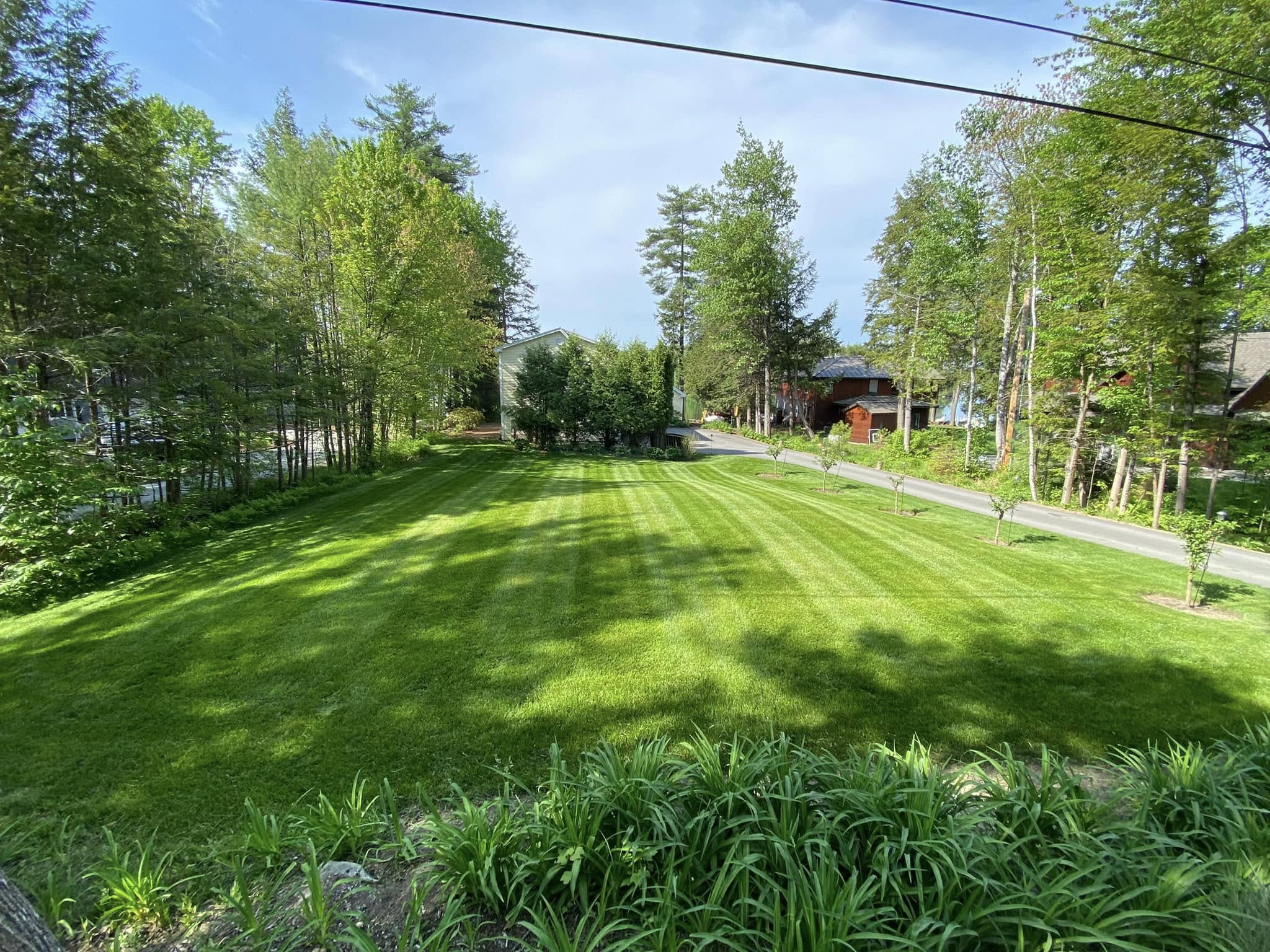
Sustainable Landscaping Practices for Eco-Friendly Homes Nov 26, 2025
Understanding sustainable landscaping begins with appreciating the natural landscape of your area. This means working with the existing geographic conditions and local climate rather than against them. One crucial step is selecting native plants that are accustomed to your climate. Native plants require less water, are more resistant to local pests, and thrive with minimal maintenance. Not only do these plants enhance the ecosystem by providing habitats for local wildlife, but they also reduce the need for chemical fertilizers and pesticides.
Water conservation is another critical aspect of sustainable landscaping. Innovative irrigation systems, such as drip irrigation, can significantly reduce water usage by delivering water directly to a plant's root zone, minimizing evaporation and runoff. Incorporating rainwater harvesting systems is another excellent strategy. By collecting and storing rainwater for landscape irrigation, you can reduce your dependence on potable water sources.
Soil health is vital for robust plant growth and sustainable landscaping. Composting transforms kitchen scraps and yard waste into nutrient-rich soil, improving soil structure and fertility. By practicing composting, you not only reduce waste sent to landfills but also create a healthier garden that requires fewer chemical inputs. Implementing mulch in garden beds can also conserve moisture, suppress weeds, and provide organic matter to the soil.
Incorporating hardscaping elements like permeable paving is a great way to enhance sustainability. Permeable materials allow water to seep through the surface, reducing runoff and promoting groundwater recharge. Additionally, strategically positioned hardscape features such as patios and walkways can reduce water consumption by minimizing lawn areas, which are often water-intensive.
Biodiversity should be considered when designing a sustainable landscape. Creating a diverse plant ecosystem encourages beneficial insects and birds, which help control pests naturally. Designing with biodiversity in mind also improves resilience against diseases and environmental stress. A variety of plant species not only supports a balanced ecosystem but also adds visual interest and texture to your landscape.
Energy conservation can be addressed through smart landscape design. Planting shade trees around your home can reduce cooling costs by lowering indoor temperatures during the summer months. Similarly, windbreaks with trees and shrubs reduce heating expenses by protecting your home from chilling winds in winter.
At BRB Property Management, we are committed to helping homeowners create stunning, sustainable landscapes that align with their eco-friendly aspirations. Embracing these practices leads not only to aesthetically pleasing landscapes but also to responsible environmental stewardship.
As you embark on your sustainable landscaping journey, remember that small efforts can lead to significant positive changes. By adopting these practices, you contribute to a healthier environment and set a powerful example for others. For personalized advice and expert services in sustainable landscaping and hardscaping, BRB Property Management is your go-to partner. Together, we can create a beautiful, sustainable future for your outdoor spaces.
By utilizing sustainable landscaping practices, you're not just crafting a beautiful yard; you're making a conscious choice to protect the earth for future generations. Let your home reflect not only your personal style but also your commitment to the planet.